

FASP 53rd Annual Conference
Ride the Wave – Stronger Connection, Bigger Impact
October 28–30, 2026 | Hilton, St. Petersburg Bayfront
Quick Links: Conference Schedule | Registration Information | Hotel Information | Wed-Thurs CE/CPD Sessions | Fri CE/CPD Sessions | Sat CE/CPD Sessions | Featured Speakers | Exhibitor Information
FASP’s 53rd Annual Conference will be held at the Hilton St. Petersburg Bayfront from October 28–30, 2026. In the heart of the Waterfront District, the Hilton is within walking distance of multiple museums, the St. Pete Pier, and restaurants of all kinds.
Our program includes three days of amazing professional development sessions and time to network with colleagues. Featured speakers include Charles Barrett, Peter Isquith, Sam Ortiz, Sam Goldstein, Shannon Suldo, and more! Plus, special post-conference CE sessions are scheduled on 10/31 for Board of Health licensees on domestic violence and medical errors (required for licensure).
Check out our Conference Session Planner for the detailed schedule. We’ll send information about the conference app to attendees shortly before the conference.
Our hotel block and conference registration are open! See below for more information.
We cannot wait to see you in St. Pete! Have questions? Email us at annualconference@fasp.org!

View the 2026 AC Session Planner
Conference at a Glance:
Tuesday, October 27 (Pre-Conference)
9:00 – 10:00 FASP Officer Bank Business
10:30 – 11:30 Finance Committee Meeting
12:30 – 4:30 Board Meeting
7:00 – 8:00 Conference Registration
Wednesday, October 28
7:00 – 9:00 Conference Registration
8:00 – 11:00 Featured Speakers and Presentations
9:00 – 11:00 Job & Internship Fair
11:00 – 12:45 FASP Annual Business Meeting
12:45 – 2:00 Lunch on Own
2:00 – 5:00 Featured Speakers and Presentations
5:00 – 6:00 Poster Sessions & Welcome Reception (Lite Bites and Cash Bar)
6:00 – 7:00 Awards Ceremony
Thursday, October 29
7:00 – 9:00 Conference Registration
8:00 – 11:00 Featured Speakers and Presentations
11:00 – 12:15 Lunch on Own
12:15 – 1:45 General Session
2:00 – 5:00 Featured Speakers and Presentations
5:00 – 6:00 Regional Meetings & SP/BCBA Meet-Up
6:00 – 7:30 Celebration Reception (Lite Bites and Cash Bar)
Friday, October 30
8:00 – 8:30 Conference Registration
8:30 – 11:30 Featured CE Speakers
11:30 – 1:00 Lunch on Own
1:00 – 4:00 Featured CE Speakers
Saturday, October 31 (Post-Conference Sessions)
8:00 – 12:30 Licensure Required Courses (Domestic Violence and Medical Errors)

For planning purposes, the registration fee schedule is provided below. Registration includes access to all conference sessions and special events for each day purchased. Visit https://fasp.memberclicks.net/ac26 to register! Early registration ended October 1.
FASP AC 2026 REGISTRATION FEES
Wednesday & Thursday
- Early Career/Retired Members $200
- Regular/Associate Members $260
- Student Members $115
- Non-Members $385
Wednesday, Thursday & Friday
- Early Career/Retired Members $260
- Regular/Associate Members $335
- Student Members $145
- Non-Members $485
Friday Only
- Early Career/Retired Members $130
- Regular/Associate Members $160
- Student Members $85
- Non-Members $185
Saturday
- Members Medical Errors or Domestic Violence only, Pre-registered $40
- Members Medical Errors AND Domestic Violence, Pre-registered $60
- Non-Member Medical Errors or Domestic Violence only, Pre-registered $70
- Non-Members Medical Errors AND Domestic Violence, Pre-registered $120

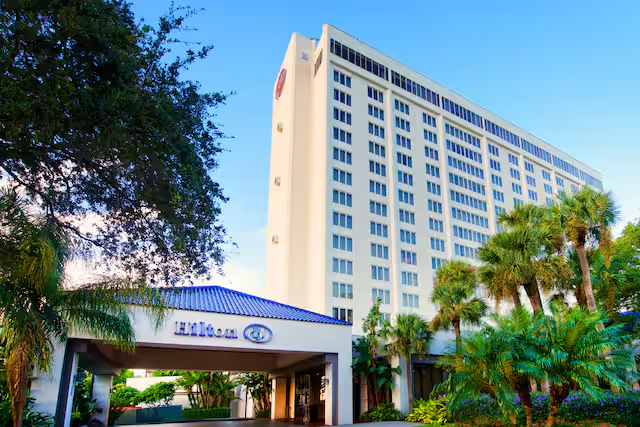 FASP’s 53rd Annual Conference will be held at the Hilton St. Petersburg Bayfront from October 28–30, 2026. In the heart of the Waterfront District, we will be within walking distance of multiple museums, the St. Pete Pier, and restaurants of all kinds.
Room Rate*
- $169/night (single or double occupancy) plus applicable taxes
- Visit our designated hotel reservation site – https://group.hilton.com/4tzv65
- Call 1-800-HILTONS (1-800-445-8667) – be sure to mention the FASP conference
- *The hotel block is full. Discounted rates no longer apply. You can still reserve a room through our designated reservation site to be part of the FASP block.
Parking
- $22.50 overnight for registered hotel guests (one car per room per night)
- $25 daily for non-registered attendees
- Special Departure Day Rate: To accommodate event departure on Saturday, a flat $25 valet parking rate will apply for attendees departing no later than 6:30 PM (to avoid double charges due to card validation timing).
Miscellaneous
- 333 1st St SE, Saint Petersburg, Florida, 33701-4342
- Free wifi in business space and rooms
- Hotel Check-In: 4:00 pm | Check-Out: 11:00 am

Wednesday, October 28 – 30 CE/CPDs
Featured Speakers
- Incorporating Positive Psychology Practices in Small Group and Individual Counseling – Shannon Suldo, Ph.D. (2 CE/CPDs)
- From Paralysis to Progress: Assessing and Addressing Executive Function and Emotion Regulation in Students – Peter Isquith, Ph.D. (3 CE/CPDs)
- Building Bridges: Supporting LGBTQ+ Students and Families Through Collaboration and Advocacy – Noelle DeLaCruz, Psy.D. (2 CE/CPDs)
CE/CPD Speakers
- Legislative Update – Austin Cole, Ph.D., FASP Advocacy Chair, & Bob Cerra, FASP Lobbyist (1 CE)
- What’s New, What Works: The SRS-3 in Practice – Donna Berghauser, Psy.D. (1 CE)
- Starting and Maintaining a Successful Private Practice in School Psychology: Legal and Ethical Considerations – Monica Oganes, Ph.D. (2 CE/CPDs*/)
- Beyond PSI: Component-Based Processing Speed Assessment – Chris Bedford, Ph.D. (2 CE/CPDs)
- Wave Riders: How School Psychologists Can Build Resilience That Lasts – Karan Lamb, Psy.D. (2 CE/CPDs)
- Artificial Intelligence (AI) in School Psychology: Ethical Implementation of Technology in Evaluation Report Writing – Paula Lewis, Ed.D. (3 CE/CPDs)
- Beyond Burnout: Professional Growth and Sustainability for School Psychologists – Staci Suits, Ed.D. (2 CE/CPDs)
- Districtwide Implementation of Tier 2 Small Group Well-Being Counseling – Austin Cole, Ph.D., Shannon Suldo, Ph.D., & Seffie Yip (1 CE/CPD)
Thursday, October 29 – 12 CE/CPDs
Featured Speakers
- General Session: Top Ten List for Educators, Especially School Psychologists – Charles Barrett, Ph.D. (1.5 CE/CPDs)
- BASC-4: A Comprehensive System of Behavioral and Emotional Assessment: Getting It Right and Getting to Interventions That Work! – Cecil Reynolds, Ph.D. (3 CE/CPDs)
CE/CPD Speakers
- Reimagining Autism Evaluations: Integrating Strengths-Based Frameworks Across Settings – Staci Suits, Ed.D. (2 CE/CPDs)
- Are You Ready for Private Practice? – Shawn Post (2 CE/CPDs)
- Treating Emotionally-Based School Avoidance: Feasibility of a Stepped Care Intervention – Shannon Suldo, Ph.D., Karen Michel, & Rose Iovannone (1 CE/CPD)
- Preschool Assessment Hot Topics: Advocates, Recommended Toys & Best Assessment Practices – Alessandra Maria Chiesa (2 CE/CPDs)
- From Data to Decision: AI-Assisted Report Writing for School Psychologists – Jennifer Greene, Ph.D., Li Carrillo, Carrie Champ Morera, Darla DeCarlo, & Melissa Ortiz Nolan (1 CE/CPD)
- Using Positive Psychology Interventions to Support Adolescent Achievement Motivation – Austin Cole, Ph.D. (1 CE/CPD)
- Beyond the Manual: Making Sense of Scores, Student by Student – Chris Bedford, Ph.D., & Julie Gettman, Ph.D. (2 CE/CPDs)
FASP CE/CPD/BCBA CE Provider Information
- FASP is approved by the Florida Dept of Health Div of Medical Quality Assurance to offer CEs toward licensure for continuing education. CEs are available for School Psychologists and Psychologists (50-693); Mental Health Counselors, Marriage and Family Therapists and Clinical Social Workers (BAP-174).
- FASP is a NASP-approved provider to offer CPDs (#1029).
- BCBA: FASP is authorized by the Behavior Analyst Certification Board (BACB) to offer BCBA/BCaBA continuing education (OP-25-11924).
We will strictly adhere to sign-in/sign-out procedures to ensure FASP can continue offering CEs and CPDs in the future.
NOTE: FASP cannot offer in-service points for renewal of Florida certification for Certified School Psychologists or other educational specialists holding a professional certificate issued by the Florida Department of Education (FDOE). However, many school districts have procedures to obtain in-service points toward renewal of FDOE certificates under their master in-service component. Participants should check with their school district’s certification officer to verify eligibility and procedures to earn in-service points for FASP workshops.

Friday, October 30 – 12 CE/CPD
MORNING FEATURED SPEAKERS
Defensible Special Education Evaluations for English Learners – Past, Present, or Future, It’s All About Validity (3 CE/CPDs) – Sam Ortiz, Ph.D.
 Abstract: Despite a full century of development since the publication of the first psychometric instruments, the structure of these early tests still forms the foundation for how we evaluate students today. When assessing the abilities of English learners, the only notable advancement has been largely translating these same tests. The failure to provide valid data and support equitable assessment has maintained disproportionality and left practitioners scrambling to find guidance on consensus-driven, evidence-based evaluation procedures. This workshop addresses this need by outlining a practical, systematic, evidence-based evaluation framework that generates valid data and supports confidence and defensibility when making educational decisions. Topics include a review of legal specifications, limitations of current and common practices, discussion of how a second language can disentangle the assumption of comparable development, and other practical considerations that together form the basis of a framework for nondiscriminatory assessment while simultaneously constraining it. The final topic will center on emerging technology and advancements in test development and norming, as illustrated within a new instrument, Marker Method and its attendant SMART platform, that illuminate the path forward for both revolutionizing evaluation of all students, including English learners, as well as making it accessible to all practitioners.
Learning Objectives: In general, upon completion of the workshop, participants will be able to
- Identify the various elements and factors that make assessment of ELs so difficult
- Distinguish between common practices that fail to establish validity from alternative ones that do
- Employ a systematic, evidence-based framework designed specifically to elevate equity and fairness in assessment
- Recognize how recent technological advancements are transforming practice while also addressing difficulties in EL assessment
NASP Domains: Domain 8: Equitable Practices for Diverse Student Populations, Domain 9: Research and Evidence-Based Practice
Better Decision Making: Navigating Implementation of School-Based Mental Health (3 CE/CPDs) – Joseph Latimer, Ph.D., NCSP
 Abstract: Despite the growing mental health needs of school-aged youth, schools continue to struggle with the implementation of mental health services within a multi-tiered system of support. Research consistently shows that limited resources are a key reason for inconsistent implementation of mental health supports. This session will provide participants with theory, tools, and practices that are research-based and resource-conscious to support school-based mental health. It will also provide multiple real-life examples of implementation, decision-making models, and relevant resources. Finally, discussion will be held for applicability and sustainability of key topics for school-based practices.
Learning Objectives: Participants will:
- Conceptualize common misconceptions and barriers related to implementation of school-based systems
- Conceptualize key methods for streamlining assessment data to connected mental health interventions
- Understand the connection between system change and implementation science frameworks as they apply to school-based mental health systems.
- Identify relevant resources and best practices for sustainability and scalability for integration of mental health services within Multi-Tiered Systems of Support
NASP Domains: Domain 1: Data-based Decision Making, Domain 4: Mental and Behavioral Health Services and Interventions
AFTERNOON FEATURED SPEAKERS
From Teens to Twenties: Using the ASRS to Guide Adult Transition (3 CE/CPDs) – Sam Goldstein, Ph.D.
 Abstract: The transition to adulthood can be particularly challenging for autistic individuals as formal supports decrease while expectations for independence, employment, postsecondary education, and community participation increase. This presentation explores the practical use of the Autism Spectrum Rating Scales (ASRS) Adult Version as an assessment-informed tool for identifying strengths and support needs relevant to adult life.
Participants will learn to interpret ASRS profiles using a pattern-based, functional approach and integrate findings with adaptive behavior, executive functioning, clinical interview, educational history, and individual goals. Case examples will demonstrate how assessment results can inform recommendations for postsecondary accommodations, employment, independent living, self-advocacy, and community participation.
Grounded in developmental, ecological, and neurodiversity-affirming perspectives, the session emphasizes person-centered planning, self-determination, and the interaction between individual characteristics and environmental supports. Participants will engage in guided profile interpretation, case studies, and collaborative discussion to practice translating assessment findings into practical, strengths-based transition recommendations that support successful adult outcomes.
Learning Objectives: At the conclusion of this session, participants will be able to:
- Describe the role of the Autism Spectrum Rating Scales (ASRS) Adult Version as a standardized assessment tool for informing transition planning with autistic adolescents and emerging adults.
- Interpret ASRS Adult Version profiles using a pattern-based approach to identify functional strengths, support needs, and discrepancies between self-report and informant ratings.
- Integrate ASRS findings with adaptive behavior, executive functioning, and other assessment data to develop comprehensive, individualized transition recommendations.
- Apply ASRS Adult Version results to support planning across postsecondary education, employment, independent living, self-advocacy, and community participation using person-centered, neurodiversity-affirming practices.
- Develop collaborative, strengths-based recommendations that translate assessment findings into actionable transition supports while promoting autonomy and meaningful adult outcomes.
 Making Waves: Advanced Advocacy in Action (3 CE/CPDs) – Autsin Cole, Ph.D.
Abstract: This session continues FASP’s advocacy institute series, built for school psychologists ready to move beyond the fundamentals of “why we advocate” to the strategy of how and when. Session content is accessible to first-time attendees while introducing new frameworks for returning participants: Kingdon’s Multiple Streams model of policy change, Lipsky’s theory of street-level bureaucracy and the tension between legislative rigidity and frontline discretion, and an honest look at voting’s power and limits as a signal of public will. Participants will spend a portion of the session in a hands-on message-building activity, leaving with a structured, audience-ready advocacy message they can use immediately. The session closes with developing individualized, concrete grassroots action plans tied to each participant’s own priority issue with a connection to FASP’s legislative priorities.
Learning Objectives: By the end of this session, participants will be able to:
- Explain how voting and street-level discretion function as complementary signals of public will and identify where each signal is strongest and where it falls short.
- Apply Kingdon’s Multiple Streams framework to recognize when a policy window is open and position an advocacy ask to meet it.
- Construct a structured, audience-specific advocacy message using a combined messaging framework (Problem/Action/Benefit and WHO/WHY/HOW/WHAT).
- Select grassroots advocacy channels appropriate to a given issue, target decision-maker, and time/capacity constraint.
FASP CE/CPD/BCBA CE Provider Information
- FASP is approved by the Florida Dept of Health Div of Medical Quality Assurance to offer CEs toward licensure for continuing education. CEs are available for School Psychologists and Psychologists (50-693); Mental Health Counselors, Marriage and Family Therapists and Clinical Social Workers (BAP-174).
- FASP is a NASP-approved provider to offer CPDs (#1029).
- BCBA: FASP is authorized by the Behavior Analyst Certification Board (BACB) to offer BCBA/BCaBA continuing education (OP-25-11924).
We will strictly adhere to sign-in/sign-out procedures to ensure FASP can continue offering CEs and CPDs in the future.
NOTE: FASP cannot offer in-service points for renewal of Florida certification for Certified School Psychologists or other educational specialists holding a professional certificate issued by the Florida Department of Education (FDOE). However, many school districts have procedures to obtain in-service points toward renewal of FDOE certificates under their master in-service component. Participants should check with their school district’s certification officer to verify eligibility and procedures to earn in-service points for FASP workshops.

Saturday, October 31 – 4 CE/CPD
Domestic Violence: Do We Always Hurt the Ones We Love? (2 CE/CPDs) – Ralph (Gene) Cash, Ph.D.
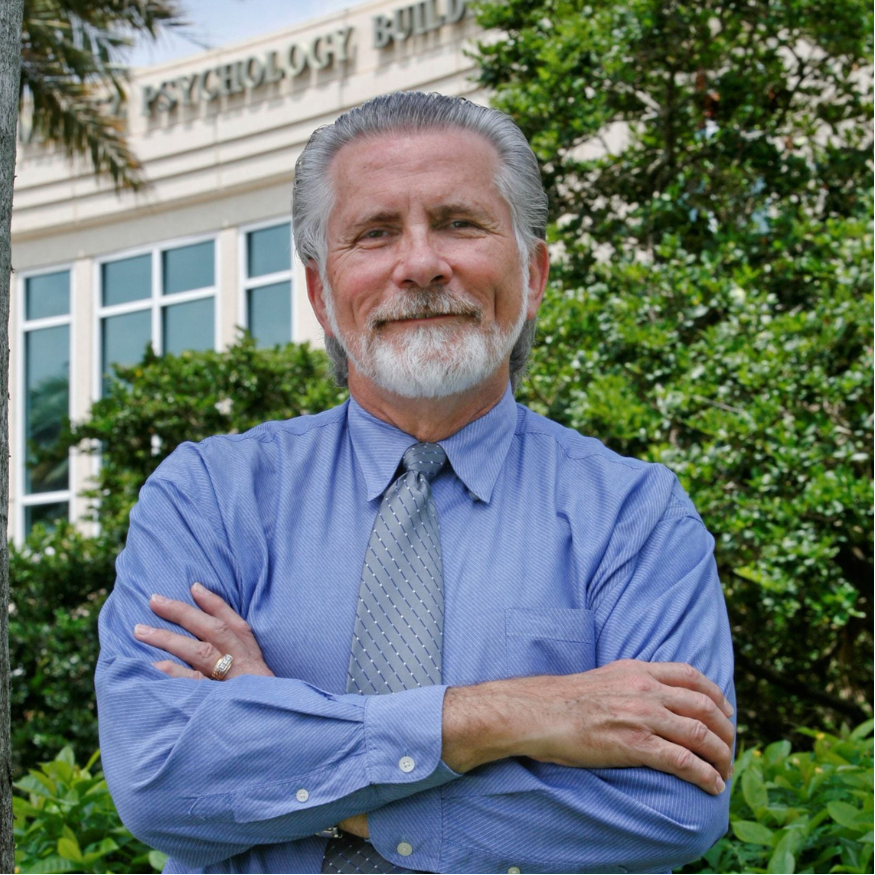 Abstract: This presentation, which is designed to meet Florida re-licensure requirements for domestic violence continuing education, defines terms, specifies the scope of the problem, explores the effects on children and adolescents, discusses some of the consequences for neuropsychological functioning and mental health, and presents the costs to society. In addition, risk factors, common tactics, indicators of abusive relationships, and key intervention issues are covered.
Learning Objectives: By the end of the presentation, participants will:
- Describe the scope of domestic violence (DV) nationally,
- Discuss the effects of DV on children and adolescents,
- List at least three effects of exposure to DV on the developing brain,
- Quantify the approximate annual financial costs of DV,
- List at least five risk factors for perpetrating DV,
- Describe at least five common tactics used by DV perpetrators,
- Discuss common indications of an abusive relationship,
- Articulate the mental health effects of DV,
- Describe at least five characteristics of a safety plan for victims, and
- Discuss effective intervention strategies.
NASP Domains Covered: Domain 10 Legal, Ethical & Professional Practice
AFTERNOON FEATURED SPEAKER
Medical Error Reduction Training for Behavioral Health Care Practitioners (2 CE/CPDs) – Rance Harbor, Ph.D.
 Abstract: This two-hour training is required for licensure renewal for school psychologists and involves components that will enable the participants to respond to issues involving medical error reduction as it relates to the practice of school psychology and other mental health professionals. Through presentation and discussion of the concepts of root-cause analysis, error reduction and prevention, and reporting standards, the participants will gain additional skills to enhance client safety and well-being.
Learning Objectives: By the end of this presentation, participants will:
- Increase psychologists and other mental health professionals’ awareness of medical errors.
- Identify the many different types of medical errors in mental health.
- Identify the causes of medical errors.
- Review effective record documentation process and rationale.
- Teach psychologists and other mental health professionals effective strategies to reduce medical errors including understanding Root Cause Analysis (RCA)
- Provide psychologists and other mental health professionals with additional resource information that they and their patients/clients can utilize to help reduce the occurrence of medical errors.
- Provide information about patient/client safety components.
NASP Domains Covered: Domain 10 Legal, Ethical & Professional Practice
FASP CE/CPD/BCBA CE Provider Information
- FASP is approved by the Florida Dept of Health Div of Medical Quality Assurance to offer CEs toward licensure for continuing education. CEs are available for School Psychologists and Psychologists (50-693); Mental Health Counselors, Marriage and Family Therapists and Clinical Social Workers (BAP-174).
- FASP is a NASP-approved provider to offer CPDs (#1029).
- BCBA: FASP is authorized by the Behavior Analyst Certification Board (BACB) to offer BCBA/BCaBA continuing education (OP-25-11924).
We will strictly adhere to sign-in/sign-out procedures to ensure FASP can continue offering CEs and CPDs in the future.
NOTE: FASP cannot offer in-service points for renewal of Florida certification for Certified School Psychologists or other educational specialists holding a professional certificate issued by the Florida Department of Education (FDOE). However, many school districts have procedures to obtain in-service points toward renewal of FDOE certificates under their master in-service component. Participants should check with their school district’s certification officer to verify eligibility and procedures to earn in-service points for FASP workshops.


FASP is a statewide professional organization of over 500 school psychologists working across Florida’s 67 districts in public, private, and alternative education settings. Our members support the academic, behavioral, and mental health needs of children and youth through comprehensive services and data-informed decision-making.
Exhibiting at the FASP Annual Conference is a valuable opportunity to connect with influential professionals who shape decisions in schools, private practice, higher education, and community agencies. This event draws over 400 attendees, offering high visibility and direct engagement with your target audience.
Exhibitor setup is scheduled for Tuesday, October 27 from 4:00 PM to 8:00 PM. Exhibits will be open on Wednesday and Thursday, with takedown beginning Thursday after 5:30 PM. Exhibitors may stay through Friday, October 30, but must coordinate with the conference chairs in advance.
Exhibitors may sell new products or services on-site with prior approval from FASP regarding the types of items offered. Selling used items is not permitted. All sales must be conducted within the assigned booth space and comply with applicable laws and tax regulations. FASP assumes no responsibility or liability for sales transactions, tax collection, or customer service related to on-site purchases.
All vendors must provide:
- Proof of registration to conduct business in Florida (e.g., LLC or business license)
- Registration with the State of Florida for collection and remittance of sales tax (if approved for on-site sales)
- Current certificate of liability insurance
View our prospectus. For questions or to coordinate Friday participation, contact the conference chairs at sponsorship@fasp.org.